
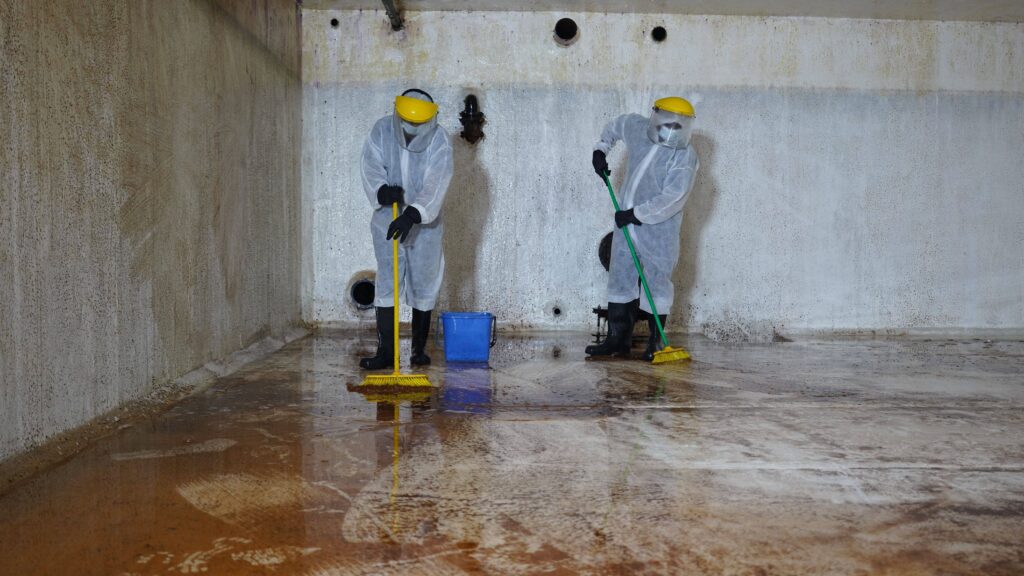
Water Tank Cleaning is a critical maintenance practice that directly impacts the health and safety of everyone in your household or building. While water tanks provide essential storage for our daily needs, they can become breeding grounds for harmful bacteria, algae, and sediment when neglected. Understanding the importance of regular maintenance can protect your family from waterborne diseases and ensure the quality of every drop you consume.
The Hidden Dangers in Neglected Water Tanks
Many property owners assume that because their water tank is sealed, it remains clean indefinitely. This dangerous misconception puts countless families at risk. Over time, sediment accumulates at the tank bottom, creating a layer of debris that harbors bacteria and other microorganisms. Dead insects, bird droppings that enter through vents, and biofilm development on tank walls all compromise water quality in ways that aren’t immediately visible.
The consequences of postponing water tank cleaning extend beyond unpleasant taste or odor. Contaminated water can cause gastrointestinal problems, skin irritations, and in severe cases, serious illnesses like cholera, typhoid, and dysentery. Children, elderly individuals, and those with compromised immune systems face particularly elevated risks from contaminated water sources.
How Contamination Occurs
Understanding contamination sources helps emphasize why regular cleaning is non-negotiable. Tanks develop microscopic cracks over time, allowing insects and external contaminants to enter. Inadequate or damaged covers permit debris, dust, and animal waste to infiltrate the storage system. Even in sealed systems, the water itself carries minerals and organic matter that settle and accumulate.
Biofilm formation represents one of the most insidious contamination forms. This slimy layer of microorganisms adheres to tank surfaces, creating a protective environment where bacteria multiply rapidly. Once established, biofilm becomes increasingly difficult to remove without professional water tank cleaning services employing specialized techniques and solutions.
Health Implications of Contaminated Water
The World Health Organization identifies contaminated drinking water as a leading cause of preventable diseases globally. When your water tank becomes a contamination source, you’re essentially exposing your family to health risks with every glass of water, meal preparation, and bathing session.
Common health issues from contaminated tank water include diarrhea, nausea, vomiting, and abdominal cramping. Long-term exposure to certain bacteria and heavy metals that accumulate in sediment can lead to chronic health conditions. The economic impact of medical treatments, missed work, and reduced productivity makes prevention through regular maintenance a wise investment.
Recommended Cleaning Frequency
Professional guidelines recommend comprehensive water tank cleaning at least twice annually for residential properties. However, specific circumstances may require more frequent attention. Tanks in areas with high dust levels, those exposed to direct sunlight promoting algae growth, or systems experiencing reduced water flow should undergo quarterly inspections and cleaning.
Commercial properties, hospitals, schools, and food service establishments should implement even more rigorous schedules, with quarterly or monthly cleaning depending on usage volume and regulatory requirements. Establishing a consistent maintenance calendar ensures you never compromise on water quality.
The Professional Cleaning Process
Effective water tank cleaning involves several critical steps that go beyond simple rinsing. First, the tank must be completely drained and all remaining water removed. Technicians then manually scrub all interior surfaces, removing biofilm, sediment, and scale buildup using appropriate cleaning agents that won’t leave harmful residues.
High-pressure washing follows manual scrubbing, ensuring every corner and crevice receives thorough attention. Professional services employ industrial-grade equipment that household tools cannot match. After washing, tanks undergo complete rinsing to eliminate all cleaning solution traces, followed by disinfection using approved sanitizing agents.
Finally, tanks are refilled and water samples tested to confirm safety standards compliance. This comprehensive approach ensures your water supply meets health and safety requirements.
Signs Your Tank Needs Immediate Attention
Certain warning signs indicate your tank requires urgent cleaning regardless of your regular schedule. Discolored water, particularly brown, yellow, or cloudy appearance, suggests significant sediment accumulation or rust. Unpleasant odors ranging from musty to metallic indicate bacterial growth or chemical contamination.
Reduced water pressure throughout your property may signal sediment blocking tank outlets. Visible particles in water, unusual taste, or family members experiencing unexplained gastrointestinal issues all warrant immediate professional inspection and cleaning.
Preventive Measures Between Cleanings
While professional water tank cleaning remains essential, property owners can implement preventive measures to maintain water quality between services. Ensure tank covers fit securely and remain undamaged. Install proper filtration systems at tank inlets to minimize sediment entry. Regularly inspect external tank surfaces for cracks, corrosion, or damage requiring repair.
Consider installing overflow protection and ensuring proper ventilation that prevents contamination while allowing necessary air circulation. These simple steps extend the effectiveness of professional cleaning and provide continuous protection for your water supply.
Long-Term Benefits
Regular maintenance delivers benefits extending beyond immediate health protection. Clean tanks experience less corrosion, extending their operational lifespan and delaying costly replacement. Improved water quality protects household appliances, plumbing fixtures, and water heaters from scale buildup and corrosion, reducing repair and replacement costs.
Moreover, properties with documented regular maintenance records demonstrate superior care standards, potentially increasing property values and appeal to health-conscious buyers or tenants.
Conclusion
Water tank cleaning isn’t an optional luxury—it’s a fundamental health necessity. The minimal investment in professional cleaning services pales in comparison to potential medical expenses, equipment repairs, and peace of mind that comes from knowing your family’s water supply is safe.
Don’t wait for warning signs to appear. Establish a proactive maintenance schedule today and ensure every member of your household enjoys clean, safe drinking water year-round.
Ready to Make the Smart Move?
Let Blue Diamond General Maintenance help you keep your villa spotless, dust-free, and healthy—all year long. From routine maintenance to deep cleaning, we’ve got you covered.
📞 Call us: +971 56 705 4223
📧 Email: Contact@bluediamondfm.com
🌐 Website: http://watertankcleaninguae.com
Frequently Asked Questions (FAQs)
How often should residential water tanks be cleaned?
Residential water tanks should undergo professional cleaning at least twice per year—ideally every six months. However, tanks in dusty environments, those exposed to direct sunlight, or experiencing heavy usage may require quarterly cleaning. Always inspect your tank if you notice any changes in water quality.
Can I clean my water tank myself, or should I hire professionals?
While basic rinsing is possible for homeowners, thorough water tank cleaning requires professional expertise and equipment. Professionals have specialized tools for complete sediment removal, proper disinfection chemicals, safety equipment for confined space entry, and knowledge to identify structural issues. DIY cleaning often misses biofilm and sediment in hard-to-reach areas.
What are the costs associated with professional water tank cleaning?
Costs vary based on tank size, location, accessibility, and contamination level. Residential tank cleaning typically ranges from affordable maintenance rates to higher costs for severely neglected tanks requiring extensive work. However, this investment prevents costly medical bills and equipment damage from contaminated water.
How long does the water tank cleaning process take?
Professional cleaning for average residential tanks typically takes 3-5 hours, including draining, scrubbing, disinfection, rinsing, and refilling. Larger commercial tanks may require a full day or more. The tank should remain empty for at least 2-3 hours during the cleaning and disinfection process.
Is the water safe to use immediately after cleaning?
After proper cleaning and disinfection, tanks require thorough rinsing to remove all cleaning agents. Once refilled and water samples confirm safety standards compliance, water is safe for consumption. Professional services typically test water quality before declaring it safe for use, which may take 24-48 hours for laboratory confirmation.