
Water tank maintenance is one of the most overlooked aspects of villa ownership, yet it directly impacts your family’s health and well-being. Many homeowners assume that because their tanks are sealed, the water inside remains clean indefinitely. Unfortunately, this couldn’t be further from the truth. Understanding proper tank maintenance and cleaning protocols is essential for every villa owner who wants to ensure a safe, reliable water supply.
Why Regular Tank Cleaning Matters
Your villa’s storage Water Tank system accumulates sediment, bacteria, algae, and other contaminants over time, regardless of how clean the incoming water appears. Sediment settles at the bottom, creating a breeding ground for harmful microorganisms. Without regular cleaning, these contaminants multiply and compromise water quality throughout your entire home.
The consequences of neglecting this maintenance extend beyond unpleasant taste or odor. Contaminated water can cause serious health issues, including gastrointestinal problems, skin irritations, and respiratory infections. Children and elderly family members are particularly vulnerable to waterborne illnesses that develop in poorly maintained storage systems.
Health Risks of Contaminated Storage
When Water Tank aren’t cleaned regularly, several dangerous conditions can develop. Bacterial growth, including E. coli and Legionella, thrives in stagnant water and biofilm that forms on tank walls. Algae blooms can occur if sunlight penetrates the tank, turning water green and creating additional contamination.
Sediment accumulation affects more than just water quality. It reduces the effective capacity of your storage system and can damage plumbing fixtures, water heaters, and appliances. The abrasive particles wear down pipes and valves, leading to costly repairs that far exceed the price of regular maintenance.
Rust and corrosion in older tanks release heavy metals into your water supply. These contaminants pose serious long-term health risks and may not be immediately detectable without professional testing.
Recommended Cleaning Schedule
Professional Water Tank cleaning should occur at least twice annually for most villa installations. However, certain factors may require more frequent service. If your villa is in a dusty area, near construction sites, or experiences frequent power outages affecting water circulation, quarterly cleaning becomes advisable.
Seasonal considerations also matter. Schedule one cleaning before summer when water consumption peaks and temperatures accelerate bacterial growth. The second cleaning should happen before winter to remove accumulated sediment from increased usage during warmer months.
The Professional Cleaning Process
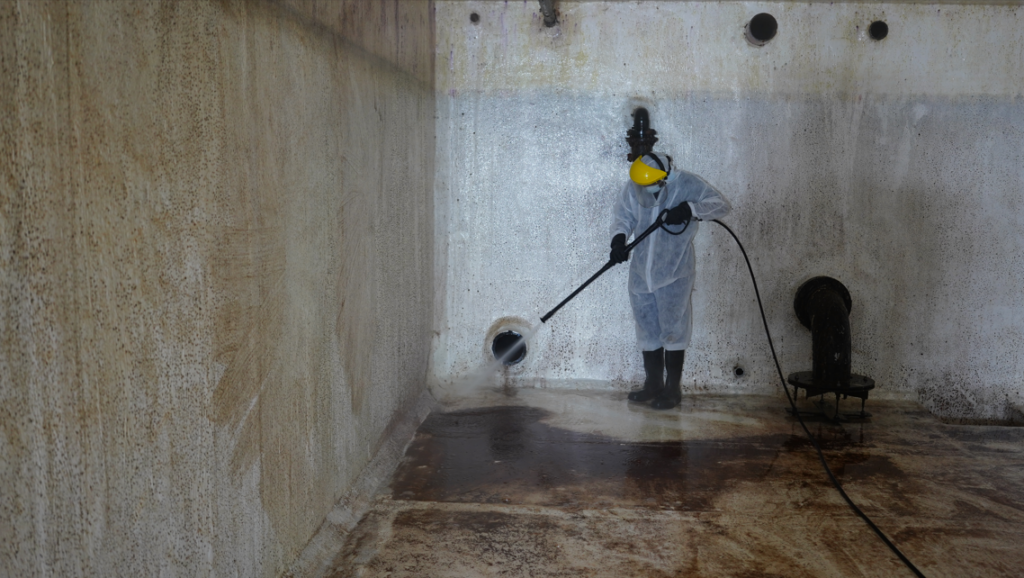
Proper Water Tank cleaning involves several critical steps that homeowners shouldn’t attempt themselves. Professional technicians begin by completely draining the system and removing all accumulated sediment. They then scrub interior walls, floors, and ceilings to eliminate biofilm and attached contaminants.
High-pressure washing removes stubborn deposits and ensures thorough sanitization. Technicians inspect the tank structure for cracks, leaks, or corrosion that could compromise water safety. After cleaning, they disinfect the entire system using food-grade sanitizers approved for potable water use.
The final step involves flushing the system multiple times to remove all cleaning agents and verify that water quality meets safety standards. Reputable companies provide certification documenting the cleaning process and water quality test results.
Warning Signs Your Tank Needs Immediate Attention
Don’t wait for scheduled maintenance if you notice these warning signs. Discolored water, whether brown, yellow, or green, indicates serious contamination requiring immediate professional intervention. Unusual odors, particularly musty or metallic smells, suggest bacterial growth or rust contamination.
Reduced water pressure throughout your villa may indicate sediment blocking pipes or inlet valves. Particles or sediment in tap water signal that accumulated debris has reached critical levels. Any of these symptoms warrant emergency cleaning services.
Choosing the Right Cleaning Service
Selecting a qualified service provider protects your investment and family’s health. Look for companies with proper licensing, insurance, and trained technicians. Ask about their cleaning process, equipment used, and whether they provide water quality testing and certification.
Request references from other villa owners and verify the company’s track record. Reputable providers offer transparent pricing, detailed service reports, and maintenance reminders to help you stay on schedule.
Preventive Maintenance Between Cleanings
While professional cleaning remains essential, homeowners can take steps to maintain water quality between services. Ensure your tank lid remains tightly sealed to prevent dust, insects, and debris from entering. Inspect overflow pipes regularly to confirm they’re functioning properly and have appropriate mesh screens.
Monitor water quality by regularly checking for changes in color, taste, or odor. Install a basic filtration system at key usage points for added protection. Keep vegetation trimmed away from tank areas to minimize contamination risks.
Conclusion
Regular water tank cleaning represents a modest investment that yields substantial returns. The cost of professional maintenance is minimal compared to medical bills from waterborne illnesses or expensive repairs to damaged plumbing systems. More importantly, it provides peace of mind knowing your family’s water supply is safe and clean.
Villa owners who prioritize this essential maintenance protect their property value while ensuring the health and comfort of everyone in their home. Don’t wait until problems arise—establish a regular cleaning schedule today.
Ready to Make the Smart Move?
Let Blue Diamond General Maintenance help you keep your villa spotless, dust-free, and healthy—all year long. From routine maintenance to deep cleaning, we’ve got you covered.
📞 Call us: +971 56 705 4223
📧 Email: Contact@bluediamondfm.com
🌐 Website: http://watertankcleaninguae.com
Frequently Asked Questions (FAQs)
How often should villa water tanks be professionally cleaned?
Most experts recommend professional cleaning at least twice per year. However, villas in dusty environments, areas with poor water quality, or homes with larger families may benefit from quarterly cleaning. The key is establishing a consistent schedule rather than waiting for visible problems to develop.
Can I clean my villa's water tank myself?
While technically possible, DIY cleaning is strongly discouraged. Professional cleaning requires specialized equipment, proper safety gear, and knowledge of sanitization procedures. Improper cleaning can introduce new contaminants or leave harmful residues. Additionally, confined space entry poses serious safety risks without proper training and equipment.
What are the signs that my water tank has become contaminated?
Common warning signs include discolored water (brown, yellow, or green tint), unusual odors (musty, metallic, or earthy smells), visible particles or sediment in tap water, reduced water pressure, and unexplained gastrointestinal issues among family members. Any of these symptoms warrant immediate professional inspection and cleaning.
How long does professional water tank cleaning take?
A standard residential tank cleaning typically takes 4-6 hours, depending on tank size and contamination level. This includes draining, scrubbing, sanitizing, and refilling. Technicians may recommend keeping the tank empty overnight for thorough drying in cases of severe contamination.
Is the water safe to use immediately after cleaning?
Professional cleaning services flush the system multiple times after sanitization to remove all cleaning agents. Once technicians complete the final flush and verify water quality, it’s safe for all household uses. Reputable companies provide documentation confirming water safety before leaving your property.