
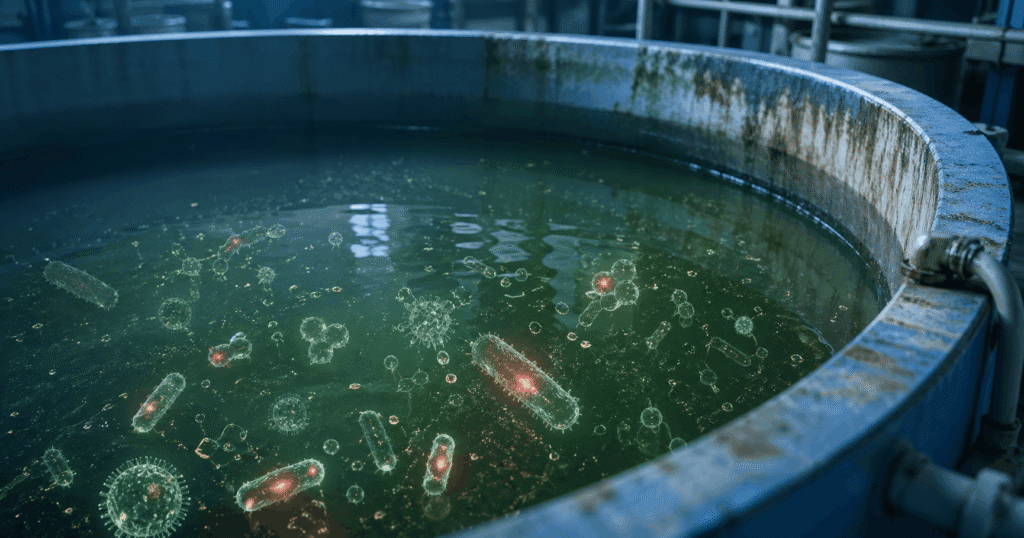
Common bacteria found in poorly maintained water tanks are one of the leading — yet most overlooked — causes of waterborne illness in homes and commercial properties alike. Water tanks are an essential part of any building’s infrastructure, silently storing and supplying the water we drink, cook with, and bathe in every single day. But when left uncleaned, these tanks can quickly transform into a breeding ground for harmful microorganisms and chemical contaminants that put lives at risk.
In this blog, we uncover the most dangerous bacteria and pollutants found in unclean water tanks, the health consequences they carry, and why regular professional cleaning is non-negotiable.
How Do Water Tanks Become Contaminated?
Contamination doesn’t happen overnight, but it does happen quietly. Factors such as poor tank covers, warm temperatures, stagnant water, corroding materials, and the build-up of organic matter all create the ideal conditions for microbial growth. Without routine inspection and cleaning, common bacteria and other harmful agents can multiply rapidly — long before any visible signs appear in your water.
Common Bacteria Found in Unclean Water Tanks
- Licensing and Regulatory Compliance
The first question to ask any prospective company is whether they hold the necessary licences issued by local authorities such as Dubai Municipality or the relevant emirate regulatory body. In the UAE, Water Tank cleaning companies must comply with strict guidelines governing cleaning agents, disinfection procedures, and post-cleaning water quality testing. Always request proof of current licensing before engaging any provider.
- Certifications and Industry Standards
Beyond local licensing, look for companies that adhere to internationally recognised standards such as BS 8558 (water system hygiene), WHO water quality guidelines, or ISO-certified quality management systems. These certifications signal that the company operates to a defined, auditable standard of practice — not simply a generic cleaning routine.
- Experience and Track Record
A company with years of demonstrated experience across diverse property types — high-rise residential buildings, hotels, hospitals, schools, and industrial sites — will have encountered and resolved the full range of Water Tank conditions. Ask for client references, case studies, and details of the largest or most complex projects they have handled. Experience breeds procedural efficiency and problem-solving capability that newer operators simply cannot match.
- Cleaning Process and Technology
Not all cleaning methods are equal. A reputable company should use a defined, multi-stage process that includes tank inspection and condition assessment, mechanical removal of sediment and biofilm, high-pressure washing, chemical disinfection using approved biocides, thorough rinsing, and post-cleaning water quality testing with certified laboratory results. Companies that offer only basic scrubbing without disinfection verification are not delivering a complete service.
- Transparent Reporting and Certification
After every Water Tank clean, you should receive a detailed service report documenting the condition of the tank before and after cleaning, the products used, dilution rates, contact times, and the results of bacteriological water testing. A certificate of cleaning that you can present to building inspectors or regulatory auditors is a sign of a professional, accountable operator.
- Insurance and Liability Coverage
Ensure the company carries adequate public liability insurance. If an incident occurs during cleaning — a contamination event, structural damage, or a health complaint from occupants — you need assurance that the company can be held accountable and that claims will be honoured.
Chemical Contaminants to Watch For
Beyond common bacteria, water tanks can also harbour harmful chemical pollutants:
- Lead & Heavy Metals: Ageing or corroding tank infrastructure can leach lead, copper, and iron directly into stored water. Long-term lead exposure is linked to serious neurological and developmental damage.
- Nitrates: Elevated nitrate levels — often caused by environmental runoff — pose a particular danger to infants, potentially causing oxygen deprivation in the blood.
- Sediment & Rust: Accumulated sediment creates a habitat for common bacteria and other microorganisms, while also affecting water taste, clarity, and safety.
- Chlorine By-products: Improper disinfection or reactions between chlorine and organic matter can produce trihalomethanes — chemical compounds associated with long-term health effects.
Warning Signs Your Tank Needs Attention
Be alert to the following indicators:
- Discoloured, cloudy, or foul-smelling water
- Visible rust, sediment, or debris in water
- Unexplained stomach illness among occupants
- Algae or slime visible inside the tank
- No record of a professional clean in the past 12 months
The Solution: Professional Water Tank Cleaning
Protecting your water supply from common bacteria and chemical contaminants begins with professional, certified tank cleaning. Unlike DIY methods, trained specialists remove biofilm, flush sediment, disinfect with approved biocides, and provide a post-clean water quality report — giving you complete confidence in your water supply.
Don’t leave something as vital as your water safety to chance. Contact our certified team today and book your professional water tank inspection and clean.
Conclusion
Common bacteria and chemical contaminants in unclean water tanks are a genuine and serious health threat — one that often goes undetected until real harm is done. Proactive maintenance, regular professional cleaning, and routine water testing are your strongest defences. Because when it comes to the water your family or building occupants rely on every day, safe is the only acceptable standard.
Ready to Make the Smart Move?
Let Blue Diamond General Maintenance help you keep your villa spotless, dust-free, and healthy—all year long. From routine maintenance to deep cleaning, we’ve got you covered.
📞 Call us: +971 56 705 4223
📧 Email: Contact@bluediamondfm.com
🌐 Website: http://watertankcleaninguae.com
Frequently Asked Questions (FAQs)
What are the most common bacteria found in water tanks?
The most frequently identified common bacteria in unclean water tanks include Legionella pneumophila, E. coli, Salmonella, and Pseudomonas aeruginosa. Each carries distinct health risks ranging from gastrointestinal illness to severe respiratory infections.
How often should water tanks be professionally cleaned?
Most health and safety guidelines recommend a professional clean every 6 to 12 months. High-usage facilities such as hotels, hospitals, and apartment blocks may require more frequent servicing to control common bacteria effectively.
Can I clean my water tank myself?
Basic visual checks can be carried out by property owners, but professional cleaning is strongly recommended. Certified technicians use specialist equipment to remove biofilm — where common bacteria thrive — and ensure the tank is properly disinfected to recognised safety standards.
Is Legionella found in domestic water tanks?
Yes. Legionella is not exclusive to commercial or healthcare settings. Domestic water tanks are equally at risk, particularly during warmer months when water temperatures rise into the danger zone where common bacteria multiply fastest.
How do I know if my water is contaminated?
Water testing by an accredited laboratory is the most reliable method. Many dangerous pathogens — including common bacteria like Legionella — are completely invisible, odourless, and tasteless, making testing the only sure way to confirm water safety.
Pingback: Water Tank Cleaning Dubai: How Dust and Sand Can Contaminate Your Water Tank - watertankcleaninguae.com